The Ultimate Pool Maintenance Guide for Austin Summers: Keeping Your Oasis Pristine
June 7, 2026
June 7, 2026
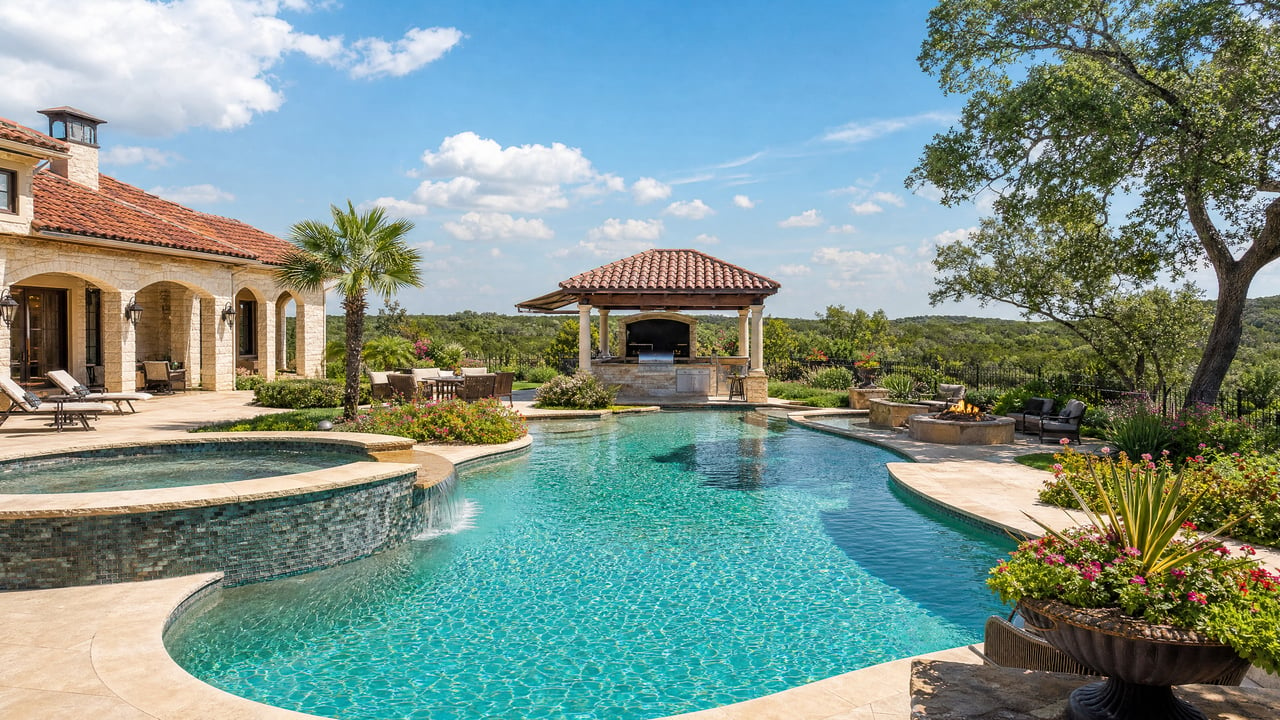
Austin summers are legendary for their intense heat and abundant sunshine, transforming a sparkling swimming pool from a mere amenity into an absolute necessity for many homeowners. For those residing in exclusive communities such as Westlake, Tarrytown, Brentwood, or Crestview, maintaining a pristine pool is not just about enjoyment; it's paramount to preserving the beauty, functionality, and intrinsic value of their luxury property. This comprehensive guide, proudly presented by David Ezrailson of Bedrock Austin Realty, is designed to equip you with the essential knowledge and actionable advice needed to ensure your Austin pool remains a refreshing and inviting sanctuary throughout the scorching summer season and beyond.
At the heart of a healthy and inviting pool lies meticulously balanced water chemistry. Neglecting this fundamental aspect can quickly lead to a host of undesirable issues, including cloudy water, unsightly algae growth, premature equipment damage, and uncomfortable skin or eye irritation for swimmers. Therefore, consistent and accurate testing, followed by precise chemical adjustments, is absolutely crucial for maintaining your pool's optimal condition.
Key chemical parameters demand your regular attention. The pH level of your pool water should ideally be maintained between 7.4 and 7.6. A pH that is too high can result in calcium scaling on surfaces and cloudy water, while a pH that is too low can lead to corrosive damage to pool equipment and discomfort for swimmers. Equally important are chlorine levels, with free chlorine needing to be consistently maintained between 1-3 parts per million (ppm) to effectively sanitize the water and eliminate harmful bacteria and contaminants. Regular shocking of your pool, particularly after periods of heavy use, significant rainfall, or large gatherings, is an effective strategy to boost chlorine efficacy and combat organic buildup. Furthermore, total alkalinity should ideally fall within the range of 80-120 ppm; this acts as a vital buffer, preventing drastic and damaging swings in pH. Finally, calcium hardness levels are best kept between 200-400 ppm. Insufficient calcium can cause plaster etching and damage to pool surfaces, whereas excessive levels can contribute to scaling on equipment and pool walls.
To monitor these critical parameters, regularly test your water using a high-quality test kit or reliable test strips. For more in-depth analysis or when encountering persistent water quality challenges, consider engaging professional pool water testing services. These experts can provide precise diagnostics and tailored recommendations, ensuring your pool's chemistry remains perfectly balanced.
Beyond the intricacies of water chemistry, diligent physical cleaning and the efficient operation of your filtration system are equally vital for maintaining a clear, clean, and truly inviting swimming pool. These practices work in tandem to remove visible debris and microscopic impurities, ensuring your aquatic oasis is always ready for enjoyment.
Daily and weekly tasks form the backbone of effective pool maintenance. Daily skimming of the pool surface is essential to remove leaves, insects, and other floating debris before they have a chance to sink, decompose, and impact water chemistry. Weekly brushing of the pool walls and floor helps to dislodge stubborn dirt, grime, and nascent algae, making it easier for your filtration system to capture and remove them. Vacuuming your pool should be performed at least once a week, or more frequently if environmental conditions or usage patterns dictate. For homeowners with busy schedules, investing in an automatic or robotic pool cleaner can be a highly worthwhile endeavor, automating this crucial cleaning step. Additionally, regularly emptying the skimmer and pump baskets is a simple yet critical task that ensures optimal water flow throughout the system and prevents undue strain on your pool pump, thereby extending its lifespan.
Your pool's filtration system acts as its primary purification organ, diligently removing debris and impurities from the water. There are three primary types of pool filters: sand, cartridge, and diatomaceous earth (DE). Each type has its own specific maintenance requirements. Sand filters require backwashing when the pressure gauge rises approximately 8-10 psi above the normal operating pressure. Cartridge filters should be removed and thoroughly rinsed with a garden hose every two to four weeks during peak season, and chemically cleaned at least once per year. DE filters, while offering superior filtration capabilities, necessitate backwashing and recharging with fresh DE powder periodically. Ensuring your filtration system runs for a sufficient number of hours each day (typically 8-12 hours during the peak summer months) is also crucial for maintaining optimal water clarity.
Proactive maintenance of your pool's equipment is an investment that pays significant dividends in the form of extended equipment lifespan and prevention of costly emergency repairs. Several key components should be integrated into your maintenance schedule. Regularly inspect your pump and motor for any unusual noises, vibrations, or visible leaks. Ensuring adequate ventilation around the motor is also important to prevent overheating. If your pool features a heater, conduct periodic inspections for any signs of corrosion, wear, or malfunction. Professional servicing of your heater is highly recommended to ensure its safe and efficient operation. For those utilizing automatic cleaners, regular cleaning and inspection are necessary to confirm they are operating correctly and efficiently traversing your pool surfaces.
While Austin's winters are generally milder than those in many other regions, preparing for cooler months (winterization) remains an important step to safeguard your pool and its valuable equipment from potential damage during colder snaps. Before closing your pool for the season, ensure all water chemistry levels are perfectly balanced. Perform a thorough cleaning and vacuuming of the pool. Lower the water level below the skimmer and return lines to prevent freezing damage. Crucially, drain all water from pumps, filters, heaters, and other plumbing components to prevent freezing and subsequent cracking. Finally, covering your pool with a good quality winter cover provides essential protection against debris accumulation and helps maintain water quality until spring.
Austin's unique climate and environmental characteristics present specific considerations and opportunities for pool maintenance that homeowners should be aware of. Austin is notably known for its hard water, which contains higher concentrations of minerals. This can lead to issues such as calcium buildup and scaling on pool surfaces and equipment. Regular use of sequestering agents can be highly effective in managing and mitigating these hard water effects. The vibrant spring and summer seasons in Austin also bring an abundance of pollen and natural debris from the lush local flora. To combat this, consider utilizing a fine-mesh leaf net or investing in a robotic cleaner specifically designed to capture fine particulate matter. Furthermore, with Austin's strong emphasis on water conservation, exploring options such as high-quality pool covers to significantly reduce evaporation, and upgrading to more efficient filtration and pump systems, not only benefits the environment but can also lead to long-term cost savings.
Maintaining a beautiful, well-kept pool is an integral part of the luxury living experience in Austin's most coveted neighborhoods, including Westlake, Tarrytown, Barton Creek, and Rollingwood. A pristine aquatic oasis not only provides endless enjoyment but also significantly enhances your property's appeal and value. Should you be considering buying or selling a home that features such a magnificent aquatic amenity, David Ezrailson and the dedicated team at Bedrock Austin Realty are your trusted and knowledgeable partners. We possess an intimate understanding of the nuances of luxury properties across Austin and are passionately committed to helping you navigate the market, whether you're seeking to find your dream home with a perfect pool or looking to expertly market and sell your current residence. Contact David Ezrailson at Bedrock Austin Realty today to discuss your specific real estate needs and experience unparalleled service tailored to the luxury Austin market.
Stay up to date on the latest real estate trends.
October 21, 2026
October 19, 2026
October 17, 2026
October 15, 2026
October 13, 2026
October 11, 2026
October 9, 2026
October 7, 2026

October 5, 2026
You've got questions and we can't wait to answer them.