Essential HVAC Maintenance for Texas Summers
October 7, 2026
October 7, 2026
Texas summers are unforgiving—especially here in Austin where heat and humidity combine to push HVAC systems to their limits. Proper maintenance before and during peak season keeps your home comfortable, lowers energy bills, and prevents costly mid-summer failures. Below are practical, prioritized tips tailored to Austin homeowners from a local perspective.
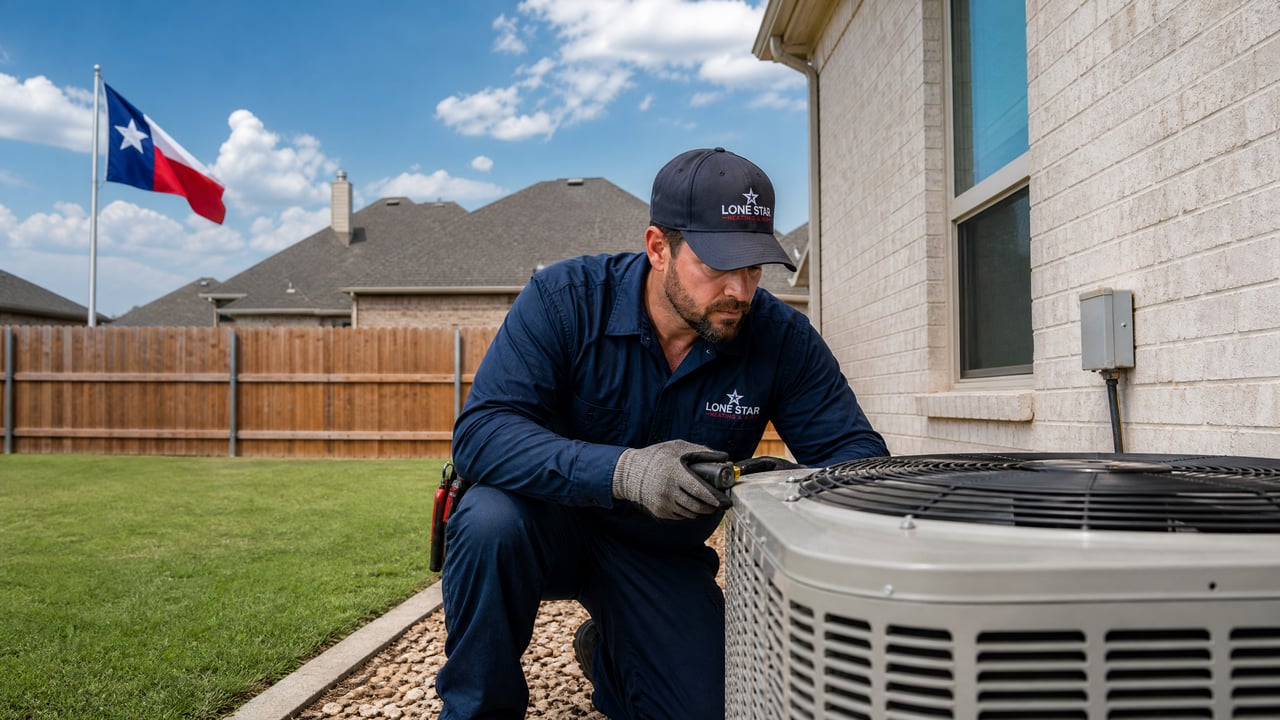
Schedule a professional tune-up in late spring before temperatures spike. A qualified technician will inspect electrical components, test refrigerant charge, measure airflow, clean coils, and verify thermostat calibration. In Austin, scheduling early avoids the busy summer window and helps you beat heat-related breakdowns.
Between professional visits, homeowners can protect their systems with a few simple checks:
Consider these investments to improve comfort and reduce operating costs in Austin's climate:
Austin summers bring sudden storms and occasional outages. Protect sensitive HVAC components with surge protection and consider a whole-home surge protector to prevent expensive electrical failures. If your area is prone to localized flooding during storms, raise the outdoor unit or consult a pro for flood mitigation.
Small maintenance steps yield big savings. A clean, well-tuned system runs more efficiently and reduces runtime during peak summer hours. Check incentives from Austin Energy and local utilities for rebates on high-efficiency equipment, smart thermostats, and insulation upgrades.
Work with licensed, insured HVAC contractors familiar with Austin-specific challenges—humidity, cedar pollen, and summer electrical loads. Ask for references, written estimates, and proof of TX licensing. Local contractors who understand Austin building styles and permitting requirements offer better long-term results.
Preparing your HVAC system for Texas summers is a combination of smart scheduling, routine DIY care, and targeted upgrades. Taking these steps now will keep your Austin home comfortable, protect your investment, and reduce energy costs when temperatures climb.
Stay up to date on the latest real estate trends.
October 21, 2026

October 19, 2026

October 17, 2026

October 15, 2026

October 13, 2026

October 11, 2026

October 9, 2026
October 7, 2026

October 5, 2026
You've got questions and we can't wait to answer them.