DIY Roof Inspection After a Texas Storm
October 21, 2026
October 21, 2026
When the skies clear after a heavy Texas storm, your luxury home's roof might be hiding damage that could lead to costly repairs if left unchecked. Austin's unique climate and sudden weather shifts demand prompt attention, especially for properties where the roof is not only functional but a key aesthetic element. Knowing how to perform a thorough DIY roof inspection can save you both time and money.
Storms often bring hail, heavy rain, and strong winds that can cause unexpected damage to roofing materials. In Austin's luxury market, where homes feature premium roofing materials and intricate designs, small issues can rapidly escalate.
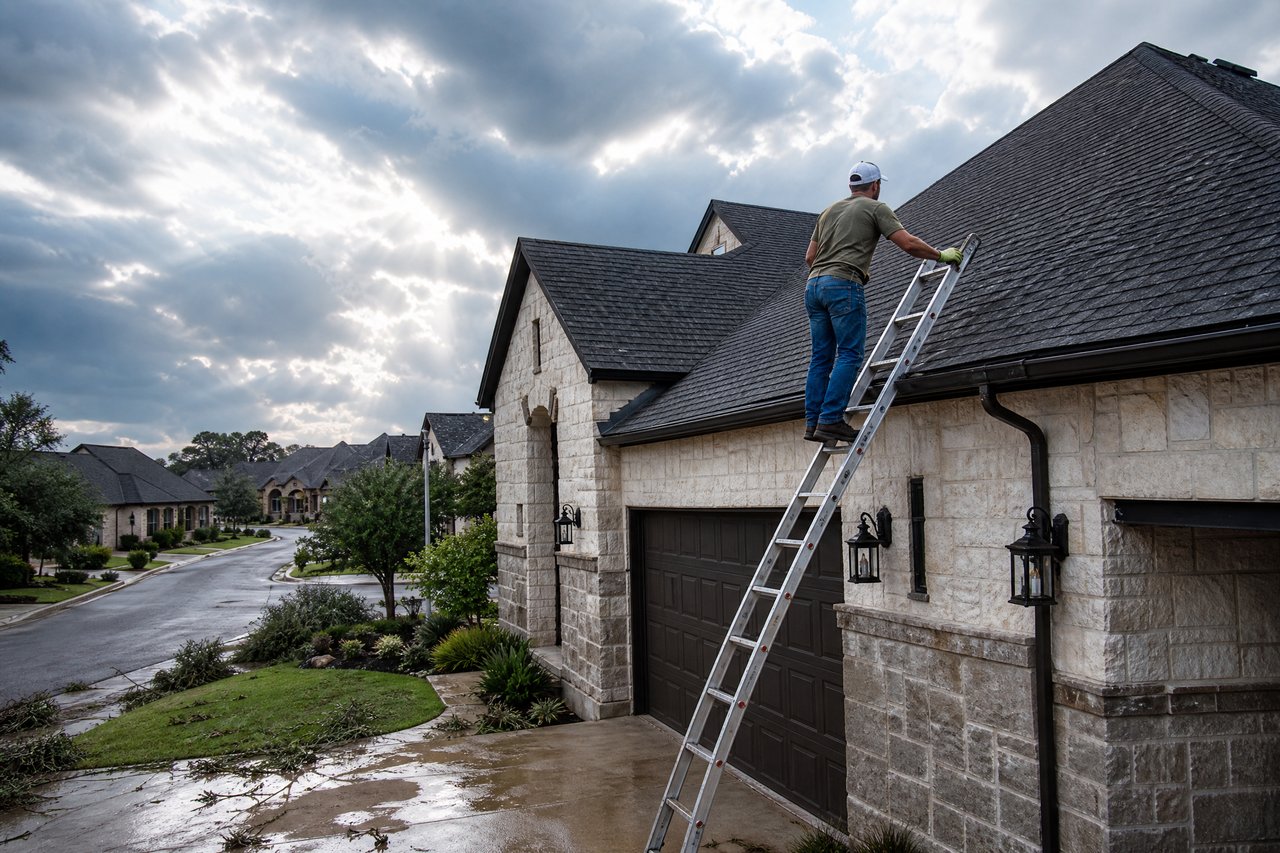
Before climbing a ladder or stepping onto your roof, always prioritize safety. Falling or improper handling of equipment can cause serious injury.
Start by walking around your home's perimeter. Look closely at gutters, downspouts, and soffits for signs of damage or debris.
Head inside to the attic to spot leaks before they reach living spaces. Use a flashlight to check for:
If you feel safe, climb your ladder and carefully examine the roof. Focus on:
Take clear photos and notes of all damage. This documentation is crucial for discussions with roofing contractors and your insurance provider.
While DIY inspections are helpful, certain situations require expert evaluation:
Routine roof maintenance can prevent storm damage from escalating. Here are some tips:
Living in Austin's luxury homes means investing in the best protection for your property. A vigilant approach to roof care safeguards your investment and peace of mind.
Stay up to date on the latest real estate trends.
October 21, 2026

October 19, 2026

October 17, 2026

October 15, 2026
October 13, 2026
October 11, 2026
October 9, 2026
October 7, 2026

October 5, 2026
You've got questions and we can't wait to answer them.