The Evolution of Austin's Eastside
September 25, 2026
September 25, 2026
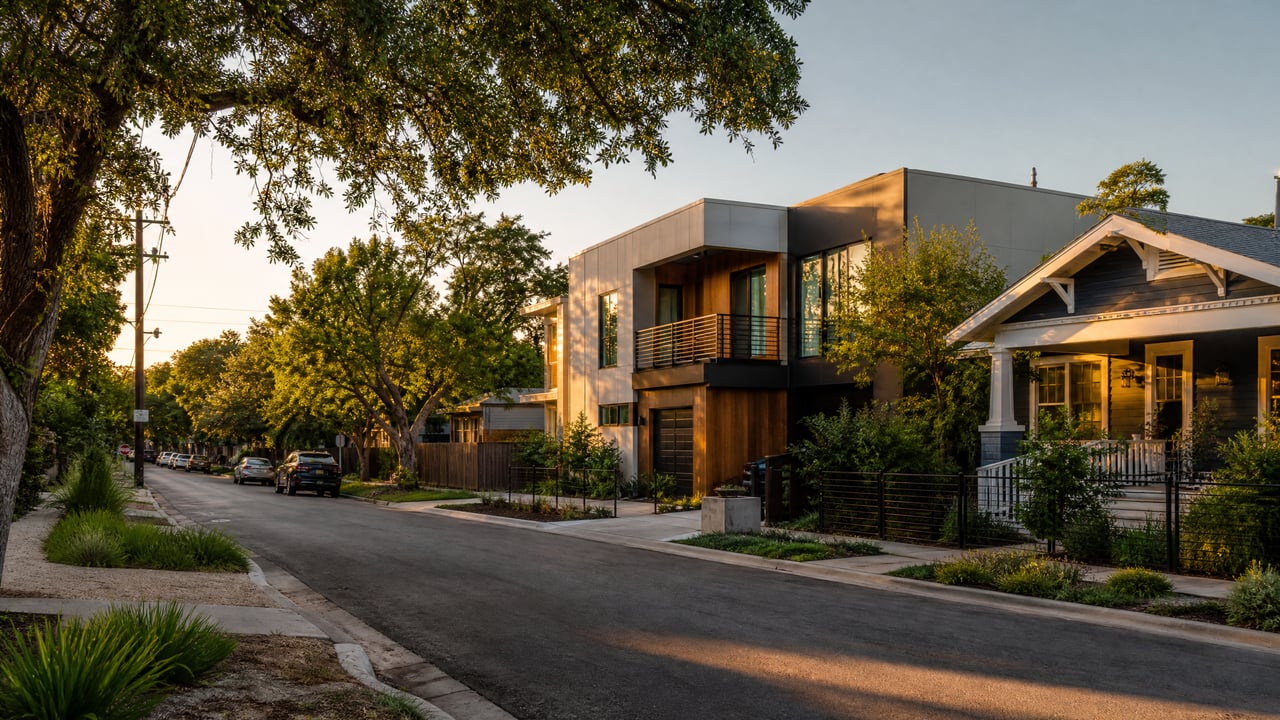
The Eastside of Austin—broadly defined as the neighborhoods east of I-35—has undergone a dramatic transformation over the last two decades. What was once an overlooked area of modest bungalows and industrial parcels is now one of the city's most desirable and rapidly evolving residential and commercial corridors. Buyers considering the Eastside should understand the historical context, current market dynamics, and neighborhood-specific factors that shape value and lifestyle.
Several forces catalyzed the Eastside's evolution: proximity to downtown, relatively affordable land, creative commercial repurposing, and strong demand from residents seeking walkable urban character. Developers, restaurateurs, and cultural entrepreneurs invested heavily in adaptive reuse projects and high-quality new construction. Those investments accelerated appreciation and produced a mixed fabric of restored historic homes, modern infill, and boutique multifamily buildings.
The Eastside remains a seller-favored market in many segments, but pockets of opportunity still exist. Key trends include continued appreciation for renovated historic homes, strong demand for open-concept new builds, and increasing interest in rental-ready properties. Inventory levels fluctuate by price tier—while entry-level homes often move quickly, larger-lot properties and sympathetic historic renovations can stay on market longer, creating negotiation chances.
Work with an agent who knows the micro-neighborhoods and permit history. Consider ordering a thorough inspection plus specialty reports (septic, flood elevation, structural) where relevant. If you're competing in a low-inventory segment, prepare financing and offers in advance and prioritize non-contingent timelines when reasonable. For investors, evaluate cash flow projections against historic appreciation—tax strategy and short-term rental rules may affect returns.
The Eastside of Austin offers a compelling mix of character, convenience, and growth potential, but success requires local knowledge: street-by-street history, zoning nuance, and a clear assessment of risk factors like flood exposure and historic restrictions. Whether you're seeking a luxury infill home, a renovated bungalow, or an income property, a tailored approach will unlock the best opportunities.
If you're ready to explore Austin's Eastside with a seasoned local market expert, contact David Ezrailson at Bedrock Austin Realty. I provide bespoke market analysis, neighborhood tours, and transaction guidance to help buyers make confident decisions in this dynamic market.
Stay up to date on the latest real estate trends.
October 21, 2026
October 19, 2026
October 17, 2026
October 15, 2026
October 13, 2026
October 11, 2026

October 9, 2026

October 7, 2026
October 5, 2026
You've got questions and we can't wait to answer them.