Preserving Your Austin Home: Essential Foundation Care for Texas Clay Soil
June 3, 2026
June 3, 2026
Austin, Texas, is a city renowned for its vibrant culture, stunning natural beauty, and, for many homeowners, its challenging clay soil. While the allure of luxury living in neighborhoods like Westlake, Tarrytown, and Barton Creek is undeniable, understanding and managing the expansive clay soil beneath your foundation is paramount to protecting your investment. As David Ezrailson of Bedrock Austin Realty, I often guide clients through the nuances of maintaining their exquisite properties, and foundation care is a topic that consistently warrants attention.
Texas clay soil, particularly prevalent in the Austin area, is notorious for its expansive properties. This means it swells significantly when wet and shrinks dramatically when dry. This constant movement can exert immense pressure on your home's foundation, leading to cracks, uneven settling, and costly repairs if not properly managed. For discerning homeowners in areas like Brentwood and Crestview, where older homes meet new constructions, proactive foundation care is not just a recommendation—it's a necessity.
The unique geological makeup of Central Texas contributes to our distinctive clay soil. This soil type has a high plasticity index, meaning it has a significant capacity to change volume with varying moisture levels. The hot, dry summers and occasional heavy rains create a cycle of expansion and contraction that puts continuous stress on residential foundations.
For luxury properties, even minor foundation issues can compromise structural integrity and diminish aesthetic appeal. Signs of foundation stress can include:
Early detection and consistent management are key to preventing these issues from escalating into major structural concerns.
Maintaining a stable foundation in Austin's clay soil environment requires a multi-faceted approach. It's about managing moisture levels around your home consistently.
The most critical aspect of foundation care is maintaining uniform moisture levels around your home's perimeter. This prevents the extreme swelling and shrinking that causes stress.
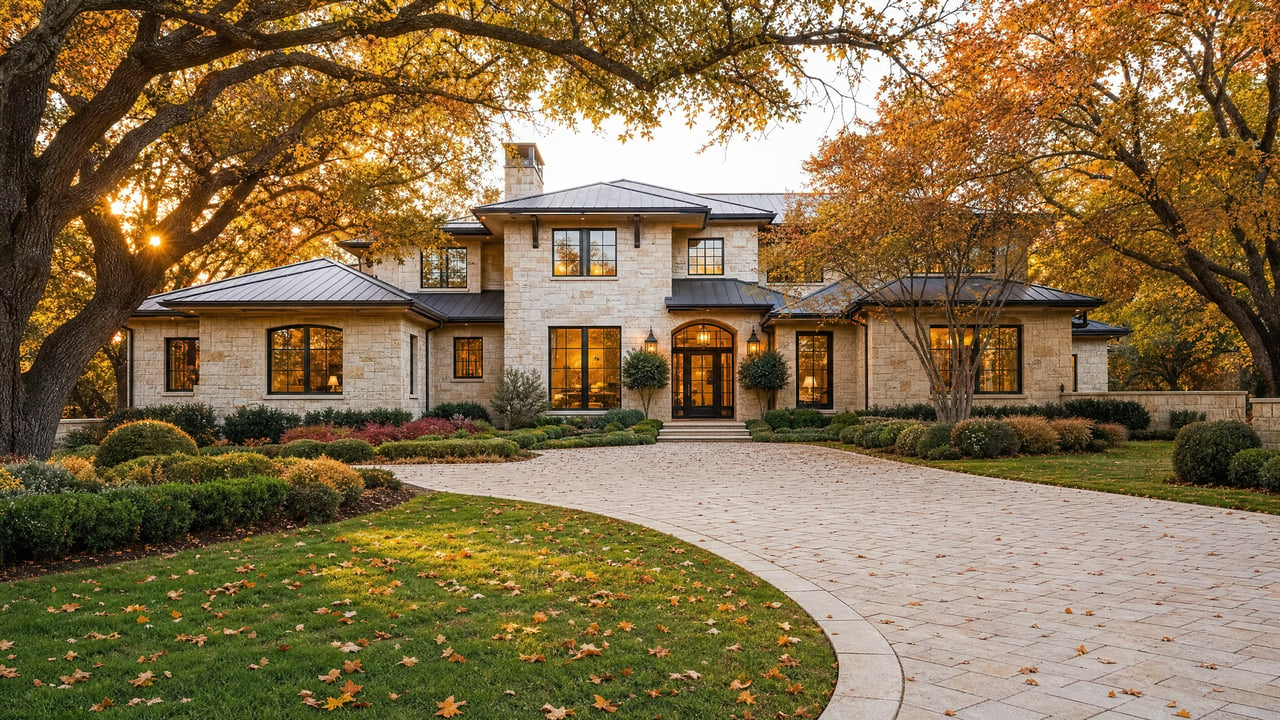
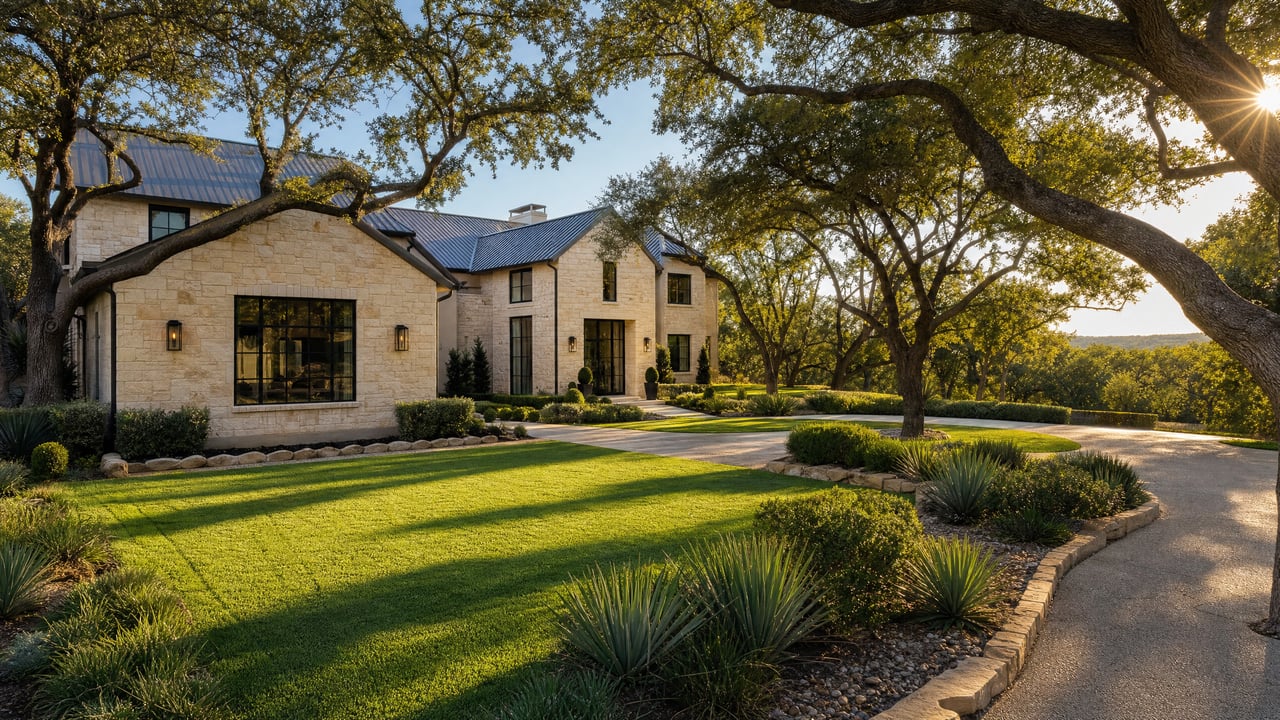
While mature trees add immense value and beauty to properties in areas like Old Enfield and Pemberton Heights, their root systems can be a double-edged sword for foundations.
Even with diligent care, regular professional oversight is invaluable.
For luxury homeowners, the investment in foundation care is an investment in the longevity and value of your property. A well-maintained foundation ensures structural integrity, preserves the aestheticquality of your home, and protects against significant financial outlays for future repairs. It also provides peace of mind, knowing that your sanctuary in Austin is built on solid ground.
Whether you're considering buying a new luxury estate or preserving your current masterpiece in neighborhoods like Rollingwood or Westlake Hills, understanding the unique challenges of Texas clay soil is crucial. For expert guidance on all aspects of Austin's luxury real estate market, from property selection to home maintenance insights, trust David Ezrailson and Bedrock Austin Realty. We are dedicated to helping you protect and enhance your most valuable asset.
Stay up to date on the latest real estate trends.

June 23, 2026
June 21, 2026

June 19, 2026
June 17, 2026
June 15, 2026

June 13, 2026
June 11, 2026
June 9, 2026

June 7, 2026
You've got questions and we can't wait to answer them.