How Tech Hubs Are Shaping Austin Property Values
October 3, 2026
October 3, 2026
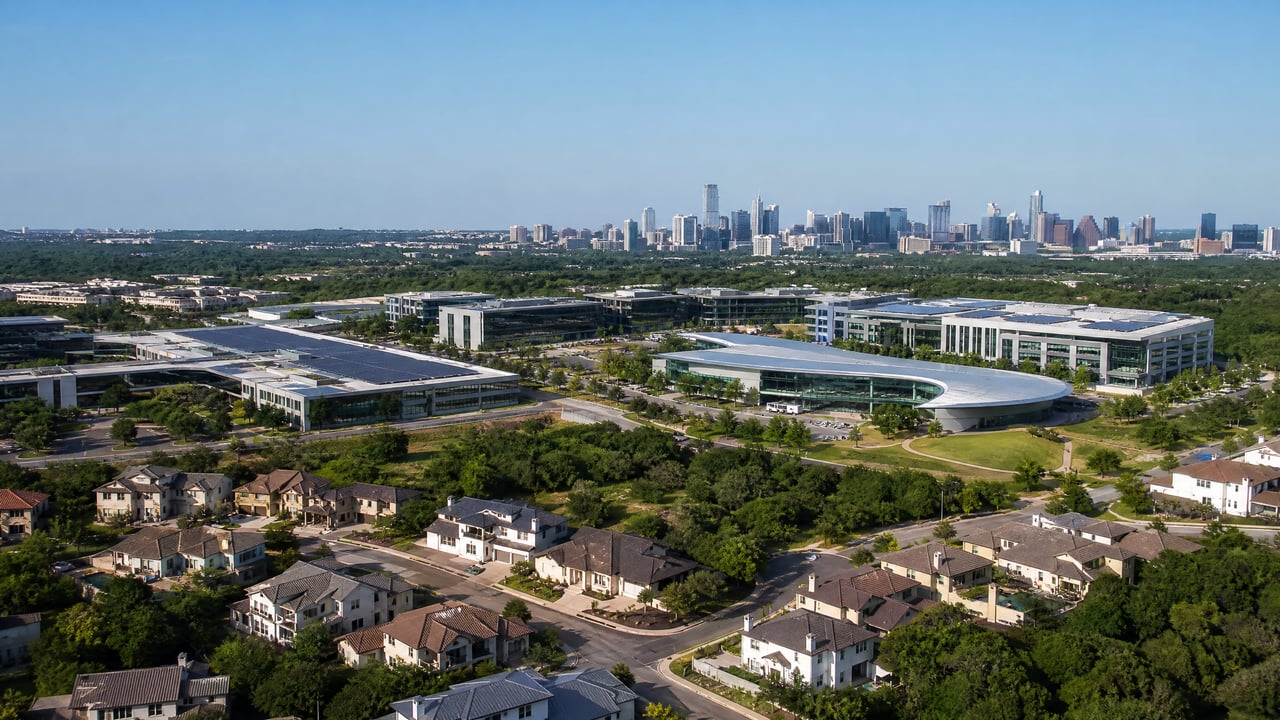
Austin has matured from a college town and state capital into one of the nation's leading tech hubs. As companies expand or relocate here, the ripple effects on property values are significant and varied. In this post I explain how tech hub expansions influence Austin real estate, which neighborhoods benefit most, what risks to watch for, and how buyers, sellers, and investors can respond strategically.
When a major tech employer grows its local footprint, it increases demand for nearby housing, boosts rental markets, and incentivizes new commercial and infrastructure development. The result is often appreciation in both single-family and multifamily property values. In Austin, this dynamic is magnified by limited land supply inside desirable corridors, strong in-migration, and a business-friendly environment that encourages continued tech investment.
Not all neighborhoods experience the same effect. Tech expansion tends to concentrate appreciation in corridors near major campuses and transit lines while also lifting close-in suburbs.
Central neighborhoods near downtown, East Austin, and the Domain Corridor typically see the fastest appreciation because they offer walkability and shorter commutes. Properties here often command a premium for proximity to offices, restaurants, and nightlife that appeal to tech professionals.
Areas around the Domain and northern job centers benefit from new office parks and mixed-use development. These neighborhoods attract families and higher-paid employees seeking larger homes and good schools, pushing up single-family values.
Investors respond to tech-driven demand by acquiring land for multifamily developments, renovating older homes, and increasing density through infill projects. This accelerates appreciation, but it can also change neighborhood character and affordability. Developers often focus on transit-oriented developments and amenity-rich communities designed to capture tech workers' preferences.
While tech expansions generally lift property values, there are risks and limits:
Tech hub expansions are a major force shaping Austin property values, creating both opportunities and challenges for homeowners, buyers, and investors. Understanding where job growth is occurring, how infrastructure follows, and which neighborhoods are poised to benefit is essential to making smart decisions in this dynamic market. If you're considering buying, selling, or investing in Austin real estate, I can help you interpret these trends and build a strategy tailored to your goals. Contact me, David Ezrailson of Bedrock Austin Realty, for expert guidance and personalized market analysis.
Stay up to date on the latest real estate trends.

October 21, 2026

October 19, 2026

October 17, 2026

October 15, 2026

October 13, 2026

October 11, 2026

October 9, 2026

October 7, 2026

October 5, 2026
You've got questions and we can't wait to answer them.