Mastering Pest Control for Austin's Luxury Estates: A Comprehensive Guide
Austin, Texas, is renowned for its vibrant culture, stunning natural beauty, and, increasingly, its exquisite luxury real estate. From the sprawling estates of Westlake to the elegant homes of Tarrytown and the charming, upscale residences in Brentwood and Crestview, discerning homeowners invest not just in property, but in a lifestyle. However, even the most meticulously maintained luxury estates in our beautiful city are not immune to the challenges posed by Texas's diverse pest population. Effective pest control is not merely about nuisance management; it's about preserving property value, protecting health, and maintaining the pristine comfort expected in high-end living.
As David Ezrailson, a luxury real estate agent with Bedrock Austin Realty, I understand the unique concerns of affluent buyers and sellers in this market. A pest infestation, no matter how minor, can significantly detract from a property's appeal and value. This guide offers a professional, authoritative, and warm approach to understanding and implementing superior pest control strategies tailored for Austin's luxury estates.
Understanding Austin's Unique Pest Landscape
Austin's climate – hot summers, mild winters, and occasional heavy rainfall – creates an ideal environment for a variety of pests. The lush landscapes, proximity to natural greenbelts, and even the sophisticated irrigation systems common in luxury properties can inadvertently attract unwanted guests. Knowing your enemy is the first step in effective defense.
Common Pests in Austin Luxury Homes
- Ants: From tiny sugar ants to larger carpenter ants, these can invade kitchens, pantries, and even structural elements. Carpenter ants, in particular, can cause significant damage to wood. Their presence often indicates moisture issues.
- Cockroaches: German, American, and Oriental cockroaches thrive in warm, humid conditions. They are not only unsightly but can also carry diseases and trigger allergies. They often seek refuge indoors during extreme weather.
- Spiders: While most are harmless, brown recluse and black widow spiders pose health risks. Even non-venomous spiders can create extensive webbing, diminishing a home's aesthetic appeal.
- Rodents: Mice and rats are attracted to food sources and shelter. They can chew through electrical wiring, contaminate food, and spread diseases, posing a serious threat to property and health.
- Termites: Subterranean termites are a constant threat in Texas, capable of causing extensive, hidden damage to a home's structure. Regular inspections are crucial for early detection.
- Mosquitoes: Especially prevalent near water features or during humid seasons, mosquitoes are not just annoying; they can transmit diseases like West Nile virus.
- Scorpions: While less common indoors, scorpions can occasionally find their way into homes, particularly in areas with rocky terrain or dense vegetation.
Proactive Strategies for Pest Prevention
Prevention is always more effective and less costly than eradication. For luxury estates, this means integrating pest control into the overall property management strategy, focusing on both the interior and exterior.
Exterior Fortification
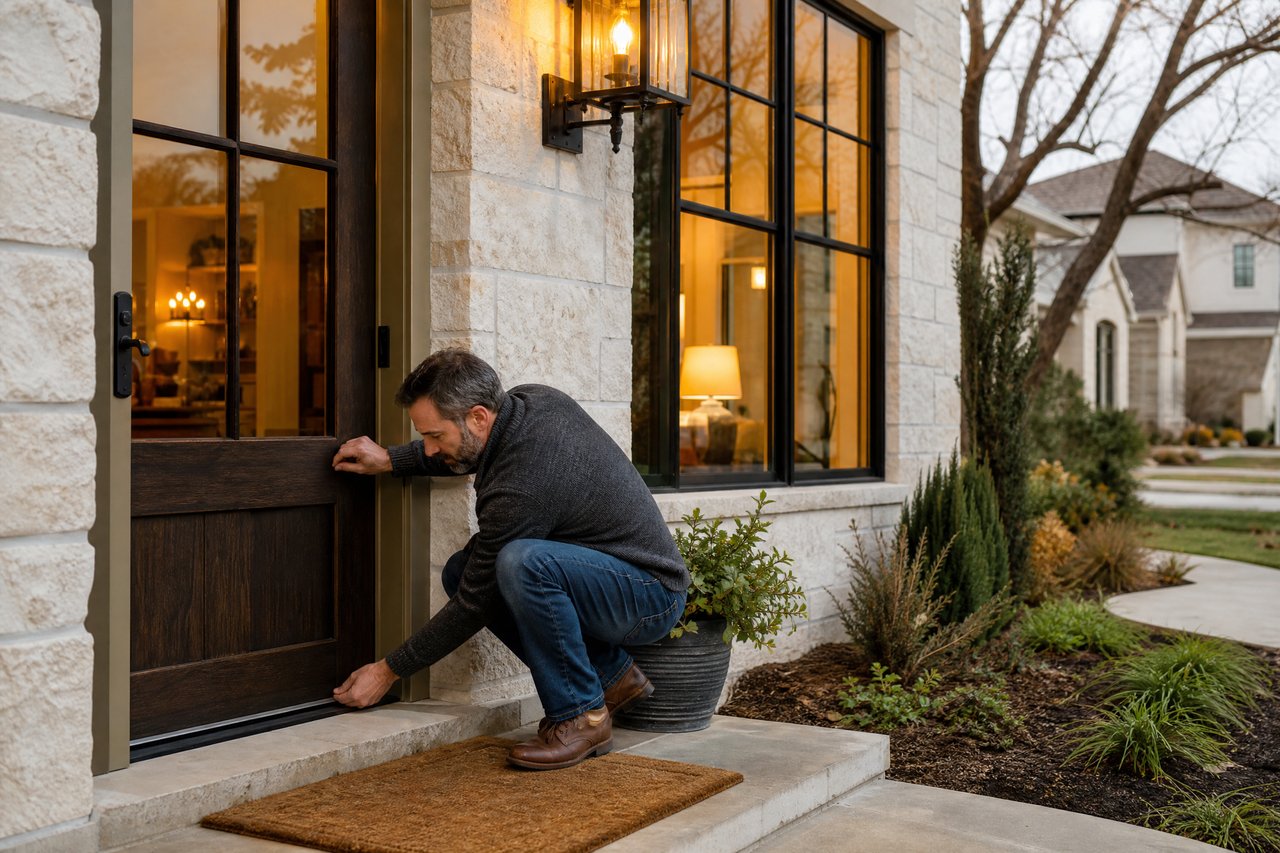
- Seal Entry Points: Regularly inspect the foundation, exterior walls, windows, and doors for cracks, gaps, or openings. Seal these with appropriate materials like caulk, weatherstripping, or mesh screens. Pay close attention to utility penetrations.
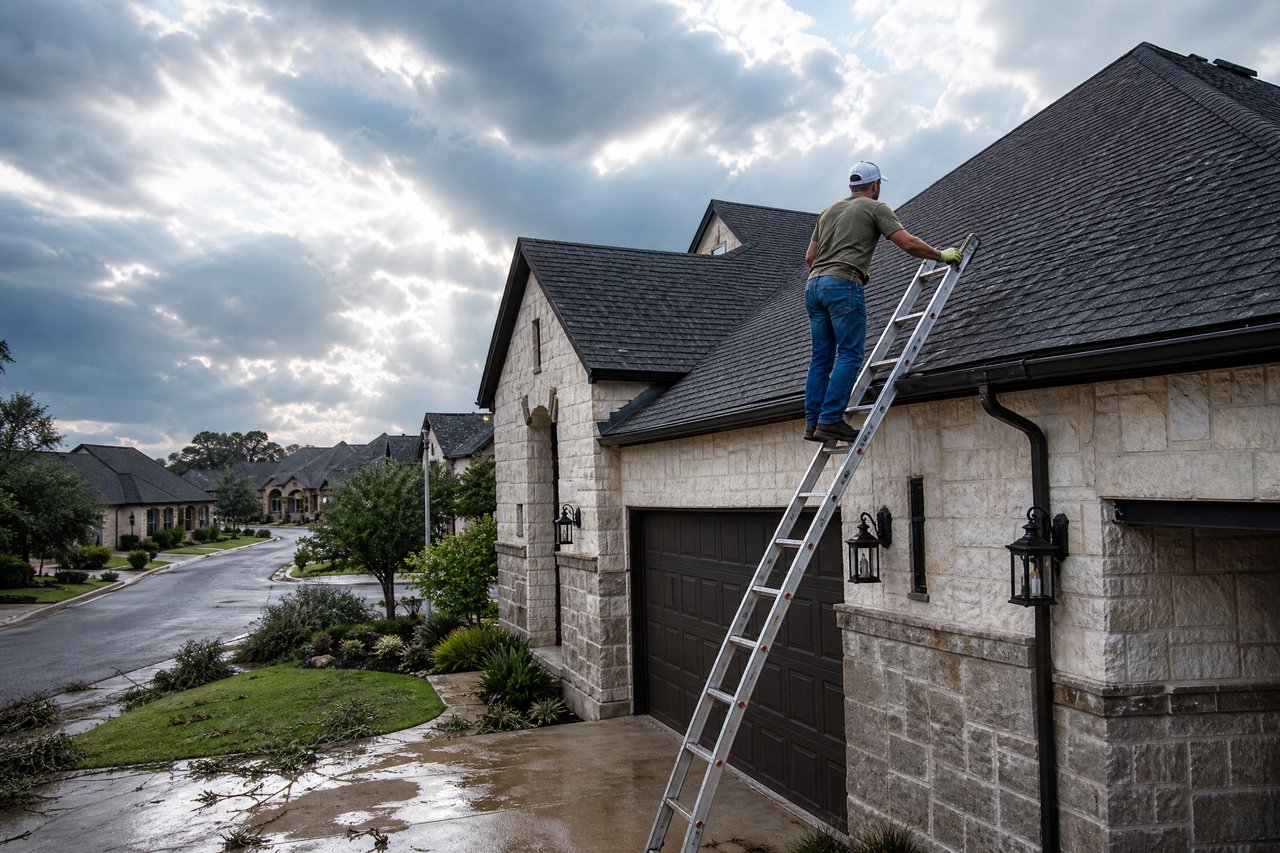
- Manage Landscaping: Keep shrubs, trees, and other vegetation trimmed away from the home's foundation and roofline. Overhanging branches can provide bridges for pests. Remove leaf litter and debris, which can serve as harborage.
- Address Moisture Issues: Repair leaky faucets, irrigation systems, and ensure proper drainage around the foundation. Pests like mosquitoes, termites, and cockroaches are drawn to moisture. Consider French drains or regrading if water pools near the home.
- Outdoor Lighting: Use yellow or sodium vapor bulbs for exterior lighting, as these are less attractive to insects than white or blue lights.
- Waste Management: Ensure all outdoor trash cans have tight-fitting lids and are regularly emptied and cleaned. Store firewood away from the house and off the ground.
Interior Vigilance
- Maintain Cleanliness: Regular cleaning, especially in kitchens and pantries, eliminates food sources. Store food in airtight containers.
- Declutter: Reduce clutter in attics, basements, and storage areas, as these can provide hiding spots for pests.
- Monitor for Signs: Be observant for droppings, gnaw marks, discarded wings, or unusual sounds. Early detection is key.
- HVAC and Plumbing Maintenance: Ensure proper sealing around pipes and ducts. Regular maintenance can prevent moisture buildup in hidden areas.
The Role of Professional Pest Management
While DIY efforts are valuable, the scale and sophistication of luxury estates often necessitate professional expertise. A reputable pest control service understands the specific challenges of high-value properties and can implement advanced, discreet solutions.
Choosing the Right Professional Service
- Experience with Luxury Properties: Look for companies with a proven track record in managing pests for high-end homes. They should understand the need for discretion, non-toxic options where possible, and minimal disruption.
- Integrated Pest Management (IPM): A holistic approach that focuses on long-term prevention through a combination of techniques, minimizing pesticide use. This is crucial for families with children, pets, or environmental sensitivities.
- Regular Inspections and Treatments: Scheduled inspections can catch potential issues before they escalate. Customized treatment plans should address seasonal pest activity.
- Termite Protection: Given the significant threat, ensure the service offers comprehensive termite inspection, prevention, and treatment options, including bait systems or liquid barriers.
- References and Reputation: Seek recommendations and check reviews. A company's reputation for reliability and effectiveness is paramount.
Local Austin Context: Neighborhood Specifics
Certain Austin neighborhoods, due to their geography and development, might face particular pest challenges.
- Westlake & Tarrytown: Often characterized by larger lots, mature trees, and proximity to the Colorado River, these areas can see increased activity from mosquitoes, rodents, and even snakes. The lush landscaping, while beautiful, requires diligent management.
- Brentwood & Crestview: With a mix of older homes and new constructions, these neighborhoods might encounter issues with ants and cockroaches seeking refuge in older structures or during construction disturbances. Regular sealing and maintenance are vital.
- Lake Travis & Surrounding Areas: Properties closer to the lake or greenbelts are more susceptible to mosquitoes, spiders, and scorpions, especially during warmer months. Specialized outdoor pest control and sealing are highly recommended.
Conclusion: Protecting Your Investment and Lifestyle
Owning a luxury estate in Austin is a privilege that comes with the responsibility of meticulous care. Effective pest control is an indispensable part of this stewardship, safeguarding your property's structural integrity, aesthetic appeal, and the health and comfort of your family. By combining proactive prevention with the expertise of professional pest management, you can ensure your Austin home remains a sanctuary, free from unwanted intruders.
For unparalleled guidance on all aspects of luxury real estate in Austin, including connecting you with trusted property management and pest control experts, please contact David Ezrailson at Bedrock Austin Realty. We are dedicated to helping you protect and enhance your investment in this extraordinary city.